Reviewing the Decorated Axe Embroidery Design for Real Projects
When a new embroidery design comes across my screen, my first thought is always: can I use this on a real product for a real customer? I’m not just looking for something cute; I’m looking for a file that will stitch out cleanly, add value to my work, and fit seamlessly into my commercial embroidery workflow. The Decorated Axe design from Creative Fabrica caught my eye, and I spent some time evaluating it from that practical, professional perspective.
First Impressions: A Design with Character
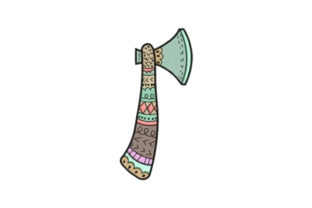
The Decorated Axe has a distinct, ornamental personality. It’s not a simple, bold icon; it’s a decorated, detailed piece. This gives it an immediate advantage for projects where you want a touch of artistry rather than just a graphic. The mood is rustic yet refined, making it feel suitable for a wide range of applications from a man’s workwear cap to a decorative pillow in a cabin-style home. It naturally fits into niches like outdoor themes, artisan branding, or masculine gifts.
This visual detail, however, brings the first practical consideration. A design with layered details and potential small elements means you need to consider stitch density and hoop size carefully. Before even loading the file, a professional knows to check the product page for the provided hoop size range. For a design like this, having a smaller minimum hoop size would be ideal for caps and patches, while a larger available size would be needed for tote bags or sweatshirts.
Performance on Real Products and Fabrics
Let’s imagine applying the Decorated Axe to specific items. For a custom sweatshirt or hoodie, the design’s decorative nature could elevate a simple garment into a statement piece. However, on stretchy fabric like jersey, any areas of high fill stitch density need to be balanced with the right stabilizer to prevent puckering. Testing on a scrap of similar fabric is non-negotiable.
For a tote bag, typically made of a heavier, textured canvas, the design would likely perform well, as the fabric can support more stitching. The axe motif would be a great focal point for a bag aimed at crafters, woodworkers, or gardeners.
Perhaps the trickiest, but most profitable, application is on a cap. The curved surface of a cap demands a design that can be hooped securely and stitched without registration issues. If the Decorated Axe file includes very fine satin stitch details or tiny lettering, these might not translate cleanly on the cap’s curved panel. Again, the specifics on the product page regarding stitch count and recommended applications are key.
For baby items or kitchen towels, I would hesitate unless the design is simplified. Small, dense designs on soft baby blankets can become uncomfortably stiff, and on towels, they may not withstand frequent washing. This design feels more suited to decorative, less frequently laundered items like pillow covers or wall hangings.
The Commercial Perspective: Value and Presentation
From a business standpoint, using a quality embroidery file directly impacts buyer trust and product value. A clean, sharp stitch-out of the Decorated Axe on a high-quality apron or a leather patch can significantly increase the perceived craftsmanship of your handmade product. It moves the item from "homemade" to "artisan-made."
For my Etsy listings or craft fair products, this design offers strong visual appeal. It’s unique enough to stand out in a marketplace flooded with generic florals and animals. It could become a signature piece for a boutique focusing on rustic or outdoor brand consistency. In product photography, a well-embroidered axe on a neutral background looks striking, aiding in customer engagement.
As a personalized gift, it has potential, especially for someone with a hobby or profession related to woodworking or forestry. The decorative aspect makes it feel thoughtful, not just utilitarian.
Critical Practical Notes Before You Stitch
Before committing this design to a customer order, a professional embroiderer’s checklist is vital. First, check thread color contrast. The decorative elements likely involve multiple colors. Stitching it on dark fabric versus light fabric will require different thread palettes to maintain detail visibility. Creating simple digital mockups can help visualize this before wasting thread and time.
Always test on scrap fabric using the same stabilizer and hoop you intend for the final project. This is where you’ll see if any areas are too dense, if small details get lost, or if the design registration is perfect. Inspect small details after stitching closely. A flaw in a tiny decorative element can undermine the entire design’s quality.
Finally, and this is crucial for any commercial embroidery or sale of finished items: confirm file details and licensing on the Creative Fabrica product page before selling. You must understand the license terms for the digital embroidery file. Does it allow for commercial use on physical products? Usually it does, but always verify. Also, note the exact file formats provided to ensure compatibility with your machine.
Final Evaluation: Is It Worth Using?
The Decorated Axe machine embroidery design presents a compelling mix of decorative appeal and practical challenges. Its strength is its unique character, which can add significant value to niche products and help a creative entrepreneur differentiate their offerings. Its potential weakness lies in its detail; if those details are not optimized for embroidery—with appropriate stitch types and densities—they could lead to subpar results on certain fabrics or projects.
For the professional user, the decision hinges on the specifics provided on the Creative Fabria product page and a thorough test stitch. If the file supports the hoop sizes you need for your common products (like caps or bags), and if a test stitch on your typical materials comes out clean and crisp, then this design is absolutely worth downloading. It can become a valuable design asset in your library for creating standout custom apparel, embroidered patches, and memorable handmade gifts.
If, however, your test reveals issues with small text or excessive density, it might be better suited for larger, decorative items where those factors are less critical. Ultimately, its worth is proven not on the digital preview, but in the finished product. Approach it not as a guaranteed winner, but as a promising file that deserves your standard professional due diligence before it graces your next customer’s order.