Evaluating 'African Woman' for Real Embroidery Projects
First Impression: The Mood and Visual Personality
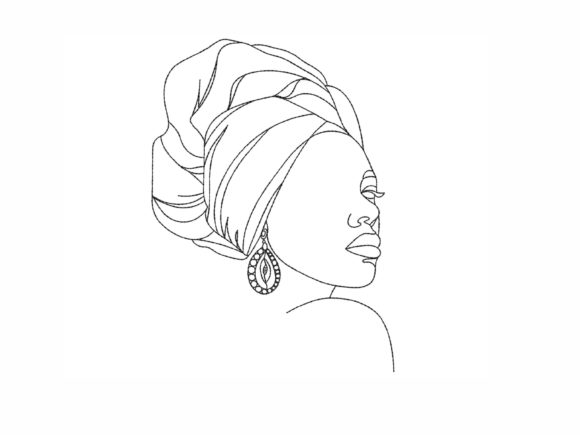
The design titled African Woman has an immediate, striking presence. Its strength lies in its quiet dignity and clear, characterful portrait. It feels serene and grounded, which is a wonderful mood to bring to an embroidered product. The layout is centered and balanced, making it a straightforward candidate for a variety of hoop placements. This isn't a fussy, overly detailed design; it relies on strong shapes and implied details, which means it has a visual personality that’s both bold and graceful. My first thought was how perfectly this belongs on a piece meant to convey warmth, heritage, or personal connection—it naturally elevates a simple item into something with narrative.
The Natural Home for This Design
Let’s talk about where this embroidery file feels most at home. The product description suggests apparel, home decor, pillows, and gifts, which is accurate, but from a designer’s perspective, I’d narrow it down further based on its visual weight.
Imagine you’re preparing a custom embroidered tote bag for a client who wants a meaningful gift. This portrait would be a superb choice. It’s large enough to be a focal point on the bag’s front panel, and its artistic style would make the tote feel like a boutique, handmade product rather than a generic accessory. Similarly, on a high-quality sweatshirt or a decorative pillow cover, the design becomes a statement piece. It would also be exceptionally lovely as a framed, embroidered patch for a nursery or a personal office space—items where the artwork itself is the primary feature.
For a craft business or Etsy seller, this design could anchor a line of products celebrating culture and beauty. Think embroidered tea towels for a specialty kitchen line, or applique designs on baby blankets. Its theme fits beautifully into products meant as wedding gifts, holiday embroidery for a meaningful present, or small shop merchandise aiming for a curated, artistic feel.
Where to Apply a More Careful Hand
While versatile, some applications require extra consideration. The design’s success depends on stitch clarity, so very small hoop sizes might compress the features and lose that graceful impression. I’d avoid using it on overly textured or very thin, stretchy fabric without rigorous stabilizer testing—the satin stitch and fill stitch areas need a firm foundation to look sharp.
Embroidering on dark fabric demands thoughtful thread color contrast; a mockup in black and white can help preview that contrast before committing thread. Also, curved surfaces like caps can be tricky if the design’s dimensions aren’t adaptable. And for products destined for frequent washing, like kitchen towels or baby clothes, ensuring the stitch density is secure and using robust stabilizer is key to longevity. It’s a design that rewards a thoughtful setup.
Performance in Real-Life Embroidery Situations
In practical use, how does African Woman perform? Its strength is in its visual impact on the finished product. Stitched onto a good-quality cotton tote, it would look rich and professional, instantly boosting the product’s perceived value. On a baby item, like the corner of a blanket, it becomes a cherished heirloom detail. For an apparel decorator working on a custom sweatshirt, this design adds a level of sophistication that generic logos can’t match, fostering greater customer trust in your craftsmanship.
From a business angle, this design enhances handmade presentation and brand consistency if you’re building a line around artistic, portrait-style work. It’s highly giftable and has strong recognition—people respond to well-executed portraiture. In a craft fair product or an Etsy listing, it would stand out in photos and printable mockups, engaging buyers looking for something unique beyond simple text or patterns.
How It Affects Your Project’s Professionalism
Using a design like this isn’t just about stitching; it’s about the entire product story. When a client or customer sees this embroidery on a finished item, they see an investment in artistry. That elevates your work from a basic service to a creative partnership. For digital product sellers offering this as a commercial embroidery file, its clear application potential makes it a valuable design asset. However, its impact hinges entirely on the embroiderer’s skill in choosing the right project base and executing it cleanly.
Practical Notes for the Working Designer
Before you stitch this onto a client’s project or a batch of small shop products, here’s my standard checklist.
- Always test on scrap fabric first. Use the same fabric and stabilizer combination you plan for the final product. This reveals how the fill stitches behave and whether any small details need tweaking.
- Check thread color contrast against your background fabric. The design’s beauty relies on its features being distinct.
- Review the stitch density by running the embroidery file in a simulator if possible. High density on lightweight fabric can cause puckering.
- Confirm the effective hoop size needed for the design to look its best. Don’t force it into a smaller hoop than it comfortably allows.
- Inspect the small details in the design preview. Are there tiny corners or lines that might require slower stitching or a needle change?
- Consider testing it in both light and dark fabric digital mockups to visualize its range.
- And a crucial, often-overlooked step: confirm the licensing terms before selling any finished items or using it in commercial embroidery projects. The product description doesn’t specify these terms, so verifying them is your responsibility.
The final note is one of confidence. African Woman is a design with a clear purpose and strong aesthetic. When paired with the right fabric, thoughtful color choices, and professional technique, it creates an embroidered product that feels both personal and polished. It’s a tool that, in the hands of a mindful maker, can turn a simple tote, pillow, or garment into a piece of meaningful art.