Ornamental Arabesques: An Embroidery Designer's Craft Fair Review
As I prepare my samples for a weekend craft fair, I always evaluate new designs with a strict eye. The booth display, the customer's first glance, the practicality of production—these are the real tests a design must pass. Today, I’m looking at Ornamental Arabesques, a design categorized under Intricate Cuts and described as a high-quality, beautifully intricate pattern. My immediate task is to see if it can become a standout, saleable product.
First Impression: Elegant and Decorative Premium Appeal
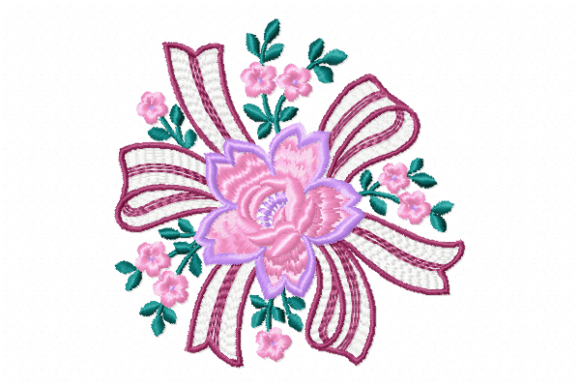
The title Ornamental Arabesques itself sets a clear tone. This isn’t a cute or rustic design. It speaks to elegance, decorative detail, and a sense of timeless artistry. For a craft fair crowd, this immediately positions the potential products in a premium space. Customers looking for something special, a gift that feels thoughtfully crafted and beautifully detailed, will be drawn to this visual language. It avoids being overly festive or minimal; it’s purely ornamental and decorative, which gives it a wide, sophisticated appeal.
Where Ornamental Arabesques Will Stand Out on the Booth Table
My table will have tote bags, aprons, tea towels, patches, caps, pouches, and pillow covers. Not every design works on every item. Here’s my assessment for Ornamental Arabesques.
This intricate pattern is a natural focal point. It’s not a small accent. Therefore, it will shine best on products where it can be the centerpiece. Pillow covers are an obvious and perfect match, as the description suggests. A beautifully embroidered pillow with this design becomes a decorative home accent, not just a craft. Tea towels and aprons can also elevate from simple utility to luxurious kitchen decor, especially if stitched on a high-quality, linen-style fabric.
For tote bags and market bags, the design would need to be placed thoughtfully—perhaps centered on a panel. It could transform a simple bag into a statement piece. Embroidered patches using Ornamental Arabesques would be challenging due to the intricacy; small details might get lost unless the patch is quite large. Caps have a curved surface, and dense, intricate designs can be tricky to stitch cleanly there. I’d be cautious.
Small pouches and other giftable handmade items could work if the pouch itself is sized to allow the design to be a clear feature, not cramped. The key is giving the arabesques room to breathe so their beauty is instantly appreciable.
Practical Production & Selling Points for Your Business
Turning a digital embroidery file into a batch of craft fair products requires practical planning.
Understanding the Design at a Glance
Ornamental Arabesques is complex. This is good for perceived value, but a customer walking past your booth should understand its beauty immediately. It photographs well for Etsy listings and printable mockups because intricate details look impressive in sharp images. However, in person, on a textured towel or a dark fabric, some fine lines might soften. Thread contrast is critical. This design needs light thread on dark fabric or dark thread on light fabric to pop.
Batch Production and Repeatability
For a craft fair product, you often need multiple units. The intricacy here means each piece will take time and attention. It’s not a quick, five-minute stitch. This inherently makes each finished product feel more valuable, but it limits the quantity you can produce. It’s ideal for a smaller batch of premium items rather than hundreds of units.
Careful Use Notes for the Embroidery Machine
Given the label ‘Intricate Cuts,’ I anticipate areas of dense stitch. This requires the right stabilizer to prevent puckering, especially on thinner fabrics like bedsheets or lightweight pillowcases. Fabric texture matters; stitching this on a highly textured towel might lose some clarity. Hoop size will be important to accommodate the full design without cramping. As an embroidery designer preparing for commercial embroidery, my first step is always to test the design on scrap fabric of the type I plan to use—linen, cotton canvas, terry cloth—to check stitch density and clarity.
I would also create at least one real mockup of the intended product, like a pillow cover, to see it as a customer would. Compare fabric colors with potential thread colors to ensure the design doesn’t disappear. And absolutely, confirm commercial licensing for the digital embroidery file before selling any finished products.
How This Design Boosts Your Booth’s Appeal
From a seller’s perspective, Ornamental Arabesques affects several key areas.
- Customer Attention: Its intricate, elegant nature will catch the eye of customers looking for more than a simple logo. It invites closer inspection.
- Product Value: The visible complexity justifies a higher price point, aligning with a premium small shop product strategy.
- Handmade Quality: It showcases the capability of your machine and your skill, emphasizing true handmade product craftsmanship.
- Booth Display Strength: A beautifully embroidered pillow or apron with this design acts as a stunning sample that sells the idea of other customizations.
- Brand Consistency: If your brand leans towards elegant, decorative, or artisan styles, this design reinforces that identity perfectly.
Final Designer Advice Before You Stitch
My review concludes that Ornamental Arabesques is a strong candidate for premium craft fair items, particularly home decor and elevated kitchen textiles. Its success hinges on execution.
Do not skip the practical tests. Stitch it on your intended fabric texture. Assess the stitch density on a tote bag’s thicker canvas versus a pillow’s cotton. See if tiny details remain clear at the size you plan to use. Remember, a design that looks stunning on a screen can behave differently under the needle.
For Etsy sellers and digital sellers, this pattern will make for excellent design assets in listings, but the real-world sample is what convinces buyers. Pair your online listing with a photo of the actual embroidered product on a pillow or towel.
In short, Ornamental Arabesques offers that decorative, premium appeal that can set a product apart in a busy handmade market. Approach it with careful production planning, highlight it on products where it can be a focal point, and it will likely become a thoughtful, engaging part of your craft fair offering.