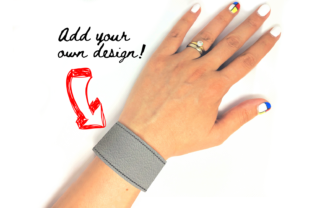
Blank Bracelet ITH Applique: A Craft Fair Product Review
As an embroidery designer preparing for a weekend market, my process begins with a critical review of any new design file. Today, I’m evaluating the Blank Bracelet ITH Applique as a potential product for my booth. This in-the-hoop machine embroidery design is described as a way to make your own bracelets, meant for non-fraying fabrics like felt or vinyl. Let’s walk through the practical realities of turning this digital embroidery file into a sellable handmade product.
First Impression & Design Mood
The title “Blank Bracelet” suggests a foundational, customizable piece. This feels like a modern and minimal design approach. It’s not overly cute or rustic; it’s a clean canvas. For craft fair customers, this implies versatility—the design itself is likely decorative but not theme-specific, allowing the finished bracelet to be styled up or down. The fact it’s an ITH (in-the-hoop) applique indicates it’s a complete, self-contained project, which is a huge plus for production efficiency. My first thought is that this could feel premium if executed with high-quality materials, because clean, intentional applique work often reads as professionally handmade.
Performance Across Key Craft Fair Products
While the core product is a bracelet, my booth strategy involves testing a design across multiple items to gauge appeal and maximize sales. Here’s how I imagine the Blank Bracelet ITH Applique performing on typical craft fair products.
Tote Bags & Market Bags
Applied as a patch onto a canvas tote bag, this design would serve as a small accent. It wouldn’t dominate the bag but could add a touch of personalized, handmade quality. The key would be placement—perhaps on the front pocket or side. On a solid-colored bag, it would draw attention as a subtle detail. For photography in Etsy listings or printable mockups, this small-scale application would require close-up shots to show the embroidery clarity.
Aprons & Kitchen Towels
For apron embroidery or tea towel embroidery, this design likely functions best as a repeating element. A single bracelet motif might be too small as a sole focal point on a large apron. However, creating a series of them along a towel border or apron pocket could create a charming, cohesive pattern. The non-fraying fabric requirement means direct stitching onto textured towels could be tricky; appliqueing onto a smooth, stabilized patch first, then attaching that patch to the towel, would be safer.
Caps & Fabric Pouches
On curved cap surfaces, small applique designs can work well if the stabilizer is chosen correctly. The Blank Bracelet design would need to be tested for distortion on the curve. For small fabric pouches or pillow covers, it could be a perfect focal centerpiece, elevating a simple project. Its size seems ideal for these smaller giftable handmade items.
The Core Product: The Bracelet
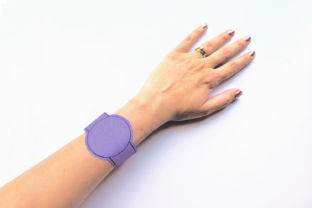
This is where the design shines. Producing the actual bracelet as described is a direct and clever product. At a craft fair, having a sample bracelet on display, showing the neat edges of the felt or vinyl and the crisp stitching, would attract immediate customer engagement. People love seeing a finished object that clearly demonstrates the design’s purpose. It becomes a showcase of skill. A display of bracelets in various color combinations would create a strong, merchandise-ready section of the booth.
Practical Production & Selling Points
Turning a file into batch-produced items requires a cold, practical assessment.
Ease of Understanding & Repeatability
The concept is instantly understandable: it makes a bracelet. This is a major selling advantage for both online listings and in-person booth sales. Customers grasp the value immediately. For batch production, an ITH applique is typically repeatable and efficient. Once the fabric, stabilizer, and thread are dialed in, you can hoop and stitch multiples rapidly. This is crucial for stocking a booth with enough inventory.
Photography & Online Sales
For Etsy sellers and digital sellers, this design needs to be photographed on the actual bracelet and perhaps as a wearable mockup. The texture of the stitching and the fabric must be visible. Thread contrast against the fabric color is vital—high contrast photographs better and sells better. If the design has tiny details or small lettering (the description mentions "show off your own," which may imply text), I’d need to ensure those stitches remain clear and legible at the finished size. Dense stitch areas on small items can also make the piece stiff, so testing on scrap fabric is non-negotiable.
Booth Display Strength
In a booth filled with embroidered tote bags, patches, and pillow covers, a dedicated section for accessories like these bracelets creates variety. They are easy to display on a stand or in a small basket. Their smaller size makes them an accessible, lower-price-point item that can still convey high handmade quality. They complement larger items and encourage add-on purchases.
Careful-Use Notes for the Embroidery Designer
Before committing to commercial embroidery using this file, here are my real-world designer checks.
- Test on Scrap Fabric: Run the design on the intended felt or vinyl. Inspect the stitch density, especially on any borders or fill areas. Dense stitching on non-fraying fabric can sometimes cause puckering or a overly rigid finish.
- Check Thread Contrast: Try light thread on dark fabric and dark thread on light fabric. See which combination makes the design pop more for customer attention.
- Review Spacing & Hoop Size: The description doesn’t specify hoop size, so I must check the file details to confirm my machine’s capability and whether the design fits efficiently in a standard hoop for production.
- Use the Right Stabilizer: Even on stable fabrics like felt, a cutaway or tearaway stabilizer is often needed for clean ITH applique results, especially if the design includes precise edge trimming steps.
- Create a Real Mockup: Never rely solely on the digital preview. Stitch one complete, finished bracelet. Assess its durability, how the edges feel, and its overall visual appeal as a standalone product.
- Compare Fabric Colors: Offer the bracelet in a range of colors. A minimalist design sells through variety—muted tones for a soft look, bright colors for a bold statement.
- Confirm Commercial Licensing: The product description doesn’t mention license terms. Before selling any finished products at a craft fair or online, I must verify that the digital embroidery file I purchased allows for commercial use of the items I make.
Final Judgment on Value & Appeal
The Blank Bracelet ITH Applique presents a strong opportunity for creative entrepreneurs. It’s a focused design that leads to a clear, tangible product. Its minimal mood allows it to fit into various brand aesthetics—from modern boutique makers to general handmade shops. The production method (ITH) promises efficiency for small shop product batches.
In a craft fair setting, its value is multifaceted: it’s a quick-to-understand item, it demonstrates embroidery skill neatly, and it can be priced as an attractive accessory. It boosts booth display strength by adding a product category (Accessories) distinct from typical home decor or apparel. For customer attention, a well-made sample speaks volumes about the quality of your work.
My recommendation is to proceed with testing. This design has the hallmarks of a viable craft fair product: straightforward purpose, efficient production potential, and adaptable visual appeal. The final step is in the hoop—stitching it, refining the process, and then confidently adding these handmade bracelets to your market table, alongside your embroidered tote bags and tea towels, as a compelling example of modern machine embroidery design applied thoughtfully.