Decorative Pattern: A Versatile Paisley for Business Merchandise
As an embroidery designer who works with countless small businesses, my first impression of the Decorative Pattern is one of versatile professionalism. The title "Decorative Pattern" suggests a classic, reusable asset rather than a one-off novelty. Combined with its Paisley category, this design feels inherently elegant and decorative, carrying a sense of timeless craftsmanship. The optional Box Stitch detail mentioned in the description hints at adaptability; it can be a clean, contained logo element or a freer, organic accent. This flexibility is key for business use.
The Visual Personality for Your Brand
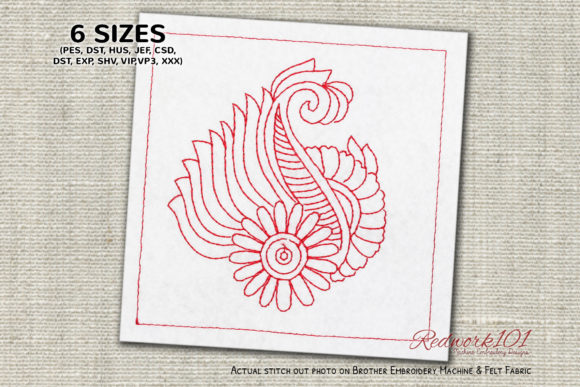
This design strikes a balance between being decorative and structured. Without seeing a specific image, a Paisley-based Decorative Pattern typically leans towards classic, handmade, and slightly rustic elegance. It can easily skew towards premium or playful depending on your chosen thread colors. For a café or bakery, it could feel warm and artisan. For a boutique or creative studio, it could convey a sophisticated, artistic identity. The potential to skip the outer box means you can choose a more integrated, flowing look for items like aprons or tote bags, or a bold, framed look for a uniform chest patch. This control over the visual personality is a huge advantage for building brand identity.
Real-World Applications for Small Business Merchandise
Let’s translate this into real products. Imagine your small business wants to create embroidered merchandise that builds customer trust and recognition.
Embroidered Patches and Product Labels
The Decorative Pattern is a strong candidate for a custom embroidered patch. Whether applied to a work shirt, a handmade product, or sold as a standalone item on Etsy, a well-executed paisley adds value. Its decorative nature makes it excellent for boutique merchandise, pet brand accessories, or as an accent on product packaging. As a patch, it becomes a tangible piece of your brand's aesthetic.
Staff Uniforms and Aprons
For chest logos or sleeve details on staff uniforms, this design can provide a professional yet friendly mark. On an apron for a florist or bakery, the Decorative Pattern serves as a beautiful branding element that elevates the garment from simple utility to a part of the customer experience. It enhances visual consistency across your team.
Cap Embroidery and Tote Bag Design
The adaptability mentioned in the description is crucial here. For cap fronts, you likely need a compact, bold design. The optional box could help contain the paisley elements for maximum clarity on a curved surface. For a tote bag, you might skip the box for a more integrated, artistic mark that complements the bag's fabric. Both uses boost product value and serve as excellent customer gifts or event merch.
Commercial Embroidery Projects for Product Lines
Beyond single items, this digital embroidery file could be the core asset for a line of branded products. It could be embroidered on tea towels for a café, on bandanas for a pet brand, or on polo shirts for a local business. Its decorative quality makes it more than just a logo; it's a design feature that encourages buyer engagement.
Practical Considerations and Designer Notes
For business use, aesthetics must pair with technical soundness. Here are key points to evaluate before production.
Testing for Scale and Application
Always test the Decorative Pattern embroidery file at the size you intend to use. A common mistake is assuming a detailed design will work at a very small patch size. Stitch density and spacing must be checked. For cap embroidery or tiny product labels, ensure the design remains clear and doesn't become a muddy blob. Create a simple printable mockup for client approval to visualize the final product on the actual item.
Thread Color Strategy and Fabric Compatibility
The description notes the box color often varies. This is a reminder to thoughtfully plan your thread color contrast. For dark uniforms or bags, you might need lighter, bold colors for visibility. For a premium, handmade product look, a subtle tonal scheme might work. Always test on real fabric scraps—textured fabrics like canvas for tote bags behave differently than smooth polo shirt fabric. Use the proper stabilizer for the fabric to ensure a clean finish that withstands frequent washing, crucial for staff apparel.
Integration into Your Brand Assets
Before finalizing, compare the embroidered Decorative Pattern beside your other brand assets. Does it complement your logo, typography, and overall visual style? A paisley accent should feel cohesive, reinforcing your brand's identity rather than competing with it. This step solidifies professionalism and customer recognition.
Essential Pre-Production Checklist
- Test in Black and White First: This checks the fundamental structure and density without color distractions.
- Confirm Hoop Size Requirements: The design must fit your machine's capabilities and the physical item.
- Review Commercial Licensing: Always confirm the digital embroidery file license permits your specific small business merch use before production.
- Inspect for High Stitch Density Areas: Detailed outlines or fills can be problematic on delicate fabrics or for small sizes.
- Create a Physical Sample: Stitch it out on a spare piece of the target fabric. This is the ultimate test for stitch quality, color pop, and overall effect.
Strategic Placement and Cautions
The Decorative Pattern is versatile, but some applications require careful thought.
Use it boldly on larger areas like apron fronts or tote bag panels. For curved surfaces like cap fronts, ensure the design is adapted or sized to avoid distortion. Be cautious using extremely small versions as a primary logo on items needing high visibility from a distance. The decorative elements might lose impact. On items that will undergo frequent industrial washing, like work shirts, a robust stitch structure is vital; consult with your embroidery service provider to ensure the file is suitable.
Ultimately, the Decorative Pattern offers small business owners, Etsy sellers, and merch creators a decorative asset with serious business potential. It’s more than just a pattern; it’s a tool for building a recognizable, valuable, and professionally presented brand through custom apparel and handmade products. By methodically testing its application and integrating it strategically, you transform a Paisley embroidery design into a key component of your commercial embroidery success.