Decorative Acorn: A Business Embroidery Design Review
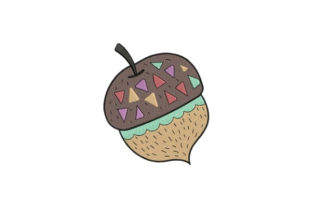
From a professional embroidery designer's perspective, reviewing a digital embroidery file for business merchandise is a distinct process. It goes beyond simple aesthetic appeal and digs into practicality, brand alignment, and production viability. Today, I'm examining the Decorative Acorn machine embroidery design from the Forest Trees category, evaluating its potential for small business branded patches, uniforms, caps, tote bags, and product labels.
First Impression: Rustic Charm with Professional Potential
The title Decorative Acorn immediately sets a tone. It feels rustic, natural, and classic. For a small business, this isn't just a decorative motif; it's a potential brand symbol. This design carries a sense of earthy authenticity and handcrafted care. It leans more towards a friendly, premium, and timeless visual personality rather than a purely modern or playful one. That makes it a compelling candidate for businesses wanting to convey warmth, quality, and a connection to nature or tradition.
The Visual Identity for Your Brand
Implementing Decorative Acorn as an embroidered asset can significantly affect your brand identity. For a café, bakery, florist, or boutique, this acorn can become a recognizable mark of your story. Embroidered on a staff apron or a tote bag, it subliminally communicates a commitment to natural, wholesome, or thoughtfully made products. Customer trust and recognition grow when a consistent, well-executed emblem is present across your small business merch. It elevates a simple work shirt or custom apparel into a branded uniform, enhancing professionalism and perceived product value.
Real-World Application for Business Merchandise
Let’s translate that first impression into real use. Imagine a local pet brand using it as a subtle sleeve detail on polo shirts, or a creative studio stitching it onto canvas tote bags for client gifts. The Decorative Acorn design, given its described decorative nature, excels in several key applications:
- Embroidered Patches: This is a prime use. A standalone patch featuring the acorn can be applied to backpacks, hats, or as a product label on handmade goods, offering excellent visual consistency.
- Chest Logo Accents & Apron Embroidery: On a chef’s apron or a boutique staff uniform, a single, well-placed acorn adds a branded touch without overwhelming the garment.
- Cap Embroidery & Tote Bag Design: On the front of a cap or centered on a canvas tote, it serves as a clean, recognizable mark for event merch or customer purchases.
- Product Packaging & Boutique Merchandise: As a small embroidered accent on a handkerchief, tea towel, or pouch, it directly enhances the handmade product presentation and buyer engagement.
Critical Considerations for Production Success
While the description notes it’s high-quality and ready for your project, a professional review must highlight where caution is needed. Success in commercial embroidery depends on meticulous preparation.
Where to Use with Care
Not every application is automatic. You must evaluate the specific Decorative Acorn file for:
- Small Patch Sizes: If creating a very small patch for a product label, test first. Fine details may need simplification to remain clear at tiny dimensions.
- Cap Fronts & Curved Surfaces: The design's shape and stitch density must be suitable for the curved, often smaller area of a cap front.
- High-Detail Areas & Fabric Texture: Examine the design's outlines and internal texture. On textured fabrics like tweed or on dark uniforms, thread color contrast is paramount.
- Items for Frequent Washing: For work shirts or aprons washed often, a robust stitch structure and proper stabilizer use during production are essential for longevity.
The Designer's Practical Checklist
Before running a production hoop, I follow a disciplined process. For integrating Decorative Acorn into your business assets, I advise:
- Test the embroidery file in a single color (black or white) first on your intended fabric. This reveals the pure form and any potential stitch issues.
- Check its performance at your desired small patch size. Does it remain legible and attractive?
- Review your chosen thread color contrast against the final fabric, especially for dark uniforms or textured materials.
- Inspect the design spacing and confirm the required hoop size for your machine and product. This is crucial for cap embroidery or sleeve details.
- Always test on a real sample of your final fabric using proper stabilizer. A tote bag’s canvas behaves differently than an apron’s twill.
- Create a printable mockup for client or internal approval before committing to bulk production.
- Compare the embroidered Decorative Acorn beside your other brand assets to ensure visual harmony.
- Most critically, confirm the commercial licensing terms of the digital embroidery file before any business use. The description provided does not specify these terms, so this step is mandatory.
Final Assessment: A Versatile Asset for Authentic Brands
The Decorative Acorn embroidery design presents a strong, versatile option for businesses rooted in authenticity, nature, and craftsmanship. Its rustic charm translates well into professional branded merchandise when applied thoughtfully. Its value lies not just as decoration, but as a cohesive brand accent that can enhance uniforms, customer merchandise, and product packaging. The key to unlocking that value is a rigorous, production-focused review. By testing meticulously for size, contrast, and durability on your specific items—from aprons to patches—you can ensure this lovely embroidery becomes a reliable, high-quality asset that truly represents your brand on every finished product.