A Professional Designer's Review of the Holly Embroidery File
When a new embroidery file lands on my desk, my first question isn't about its festive appeal, but its business potential. Today, I’m reviewing Holly, a Christmas-themed design, from the perspective of a commercial embroidery designer. My goal is to assess how this machine embroidery design can function beyond decoration to become a genuine asset for small business merch, branded patches, and professional apparel.
First Impression: Classic Charm with Professional Polish
The initial impression of Holly is one of classic, festive charm with a clear sense of polish. The description suggests a “splendid” design, which implies a certain level of detail and completeness. For a business owner, this translates to a design that feels professional and elegant, rather than overly cartoonish or rustic. This is crucial. A café, boutique, or creative studio using this on staff apron embroidery or tote bags wants to convey warmth and quality, not just holiday cheer. Holly appears to strike that balance—it’s friendly and decorative, but its execution seems designed to hold up as a credible brand accent.
Real-World Business Applications for Holly
Let’s move from impression to application. For a small business, an embroidery file is a tool for building brand identity and creating valuable products.
Branded Patches and Product Labels
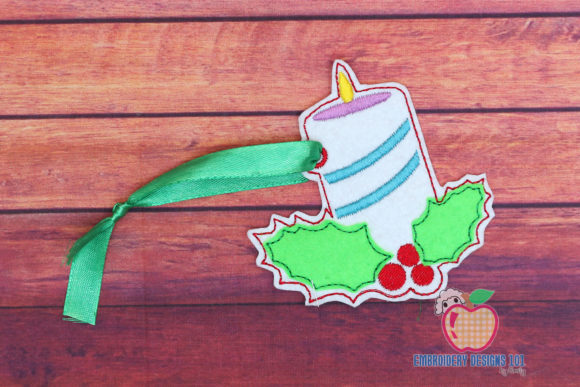
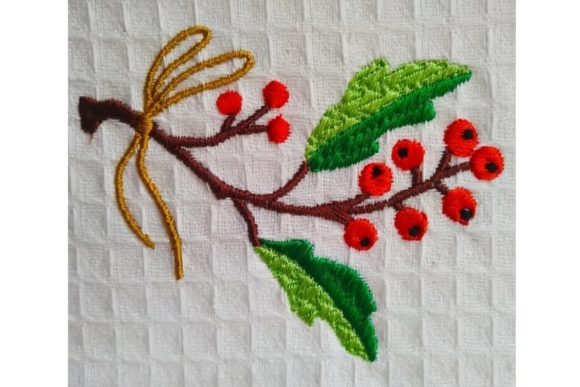
An embroidered patch of Holly could be a superb seasonal addition for a local business. Imagine a pet brand attaching a small, festive patch to a limited-edition holiday dog bandana. Or a bakery sewing a Holly patch onto the corner of a special-order gift towel. As a cap embroidery design on the front of a staff cap for a holiday market, it creates immediate visual recognition. The key here is that the design must be tested at a small patch size to ensure the holly leaves and berries remain distinct without becoming a blur of stitches.
Uniform and Apparel Accents
For custom apparel like staff uniforms, work shirts, or apron embroidery, Holly could serve as a subtle sleeve detail or chest logo accent during the festive season. A florist’s team wearing shirts with a small holly motif on the sleeve projects a coordinated, celebratory brand image. For a handmade shop or Etsy seller, embroidering this onto the collar of a limited-run sweater adds perceived value and a handmade product touch. It elevates simple apparel into branded merchandise.
Tote Bags, Packaging, and Event Merch
A tote bag design featuring Holly becomes an instant seasonal product for a boutique or creative studio. It’s a customer gift, event merch, or a premium product add-on. The design’s “splendid” nature suggests it could stand alone as a central graphic on a bag. Similarly, embroidered onto a decorative pillow sold by a craft business, it becomes the product’s defining feature. For product packaging accents, such as on a branded fabric pouch, it ties the product presentation to the holiday season beautifully.
Considerations for Production and Placement
Professional use demands a practical eye. Not every design is suitable for every surface or application.
Navigating Small Scales and Complex Surfaces
Holly should be used carefully on small patch sizes and cap fronts. The curved surface of a cap can distort designs with fine details. Before production, I would test it in black and white first on the intended fabric to check for clarity. If the design has intricate outlines or high stitch density, it might pucker on lightweight fabrics or require specific stabilizer choices. Testing on the actual fabric texture—whether it’s a canvas tote, a cotton apron, or a polyester uniform—is non-negotiable.
Color and Durability for Commercial Use
For items needing frequent washing, like uniforms or aprons, the thread color contrast and construction matter. A design with many color changes might be less durable under heavy wear. Embroidering on dark uniforms requires careful selection of thread colors to ensure Holly remains vibrant and visible. Always create a mockup for client approval, even a printable mockup, to visualize the final product on their specific item. This avoids missteps and ensures the finished product enhances their brand identity.
The Impact on Brand Identity and Customer Perception
Beyond the stitch, consider the message. Using a well-executed embroidery design like Holly on your merchandise signals attention to detail. It fosters customer trust and increases product value. A holly-embroidered apron in a café feels more premium than a plain one. It creates visual consistency across your seasonal design assets—from the patch on a gift to the logo on your tote bag. For a handmade brand, this consistency reinforces professionalism and boosts buyer engagement. The design becomes part of your brand’s story for the season.
Final Designer Notes for Commercial Use
Before committing Holly to a commercial embroidery project, here are my essential steps:
- Check the Technical Details: The product description doesn’t specify stitch count, exact hoop size requirements, or supported file formats. Always confirm these with the file provider. They determine production feasibility.
- Test Extensively: Run a test on scrap fabric mimicking your final product. Check how it looks at 2 inches versus 4 inches. Assess the thread colors needed.
- Compare to Other Assets: Place a stitched sample of Holly beside your other branding elements. Does it complement your overall look?
- Confirm Licensing: Ensure the digital embroidery file comes with a license that permits your intended commercial embroidery and business use. Never assume.
- Think Beyond Christmas: While inherently festive, a classic holly design can sometimes be repurposed for winter branding beyond December, depending on your business aesthetic.
In conclusion, Holly presents a strong opportunity for small businesses looking to incorporate festive, professional embroidery into their seasonal offerings. Its suggested elegance makes it suitable for enhancing brand perception on uniforms, patches, and merchandise. Success, however, hinges on rigorous pre-production testing and a clear understanding of its technical specifications. When applied thoughtfully, this design can elevate your holiday branding and create memorable, high-value products for your customers.